

3 Questions for Alper Yegin, CEO of the LoRa Alliance
Published: 17. Jun 2026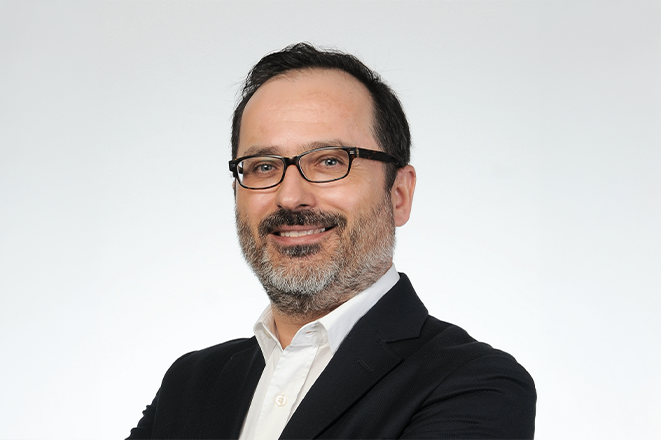
For the digital transformation of the energy and water industry, LoRaWAN® has become a key enabling technology. Behind this communication standard stands the LoRa Alliance®, a global non-profit organisation where companies collaborate on an open, interoperable ecosystem for the Internet of Things. ZENNER has been a member of the alliance since its early years and operates the world’s largest LoRaWAN® network, with network availability in 15 countries and its 10 millionth sensor integrated in September 2025. How LoRaWAN® is transforming the water sector, why strong partners like ZENNER matter, and where the standard is heading next – these are the topics we discussed with Alper Yegin, CEO of the LoRa Alliance®.
Mr. Yegin, why is LoRaWAN® gaining so much importance in the water sector – and how can this critical infrastructure be reliably secured at the same time?
Alper Yegin: The requirements for wireless technology in the water sector are demanding: signals must cover long distances, reach reliably from meter pits and basements to the outside, and sensors should operate for several years without battery replacement. This is exactly where LoRaWAN® comes into its own. It not only meets the classic requirements of an LPWAN – that is, a long-range, deep indoor and low power wireless technology – but it also goes far beyond it. LoRaWAN® operates in unlicensed frequency bands, allowing networks to be deployed and operated flexibly. The infrastructure remains manageable, and the sensors are economically attractive thanks to their long battery life. LoRaWAN® is also based on an open standard developed by the LoRa Alliance® and endorsed by the International Telecommunication Union (ITU). This is complemented by several open‑source implementations that make it easier to get started.
The ecosystem behind it is equally important: there are more than 650 certified devices and almost 1,000 products listed on the LoRa Alliance® Marketplace – from meters and sensors to gateways and platforms. The current figures speak for themselves: around 125 million LoRaWAN® devices have already been deployed worldwide. We are seeing annual growth rates of about 25 per cent – a clear indicator of how strongly the market is embracing LoRaWAN®. In my view, this is also due to the broad range of deployment models. Almost any scenario can be supported, whether public or private networks, municipal community networks, satellite‑based applications or international roaming agreements. For the water industry, this is a key advantage, because every supply area has its own specific characteristics. With LoRaWAN ®, the network model can be precisely tailored to the existing infrastructure, the size of the service area and the level of digitalisation.
ZENNER brings extensive field experience to the LoRa Alliance®, with millions of connected water meters and sensors. How does this experience feed into the further development of LoRaWAN®?
ZENNER is a very special partner for us: the company not only operates the world’s largest LoRaWAN® network with more than ten million devices but also brings extensive expertise in metering, sub-metering and smart city. This combination of hands‑on experience and deep industry expertise is extremely valuable for the continued development of LoRaWAN ®. Accordingly, ZENNER plays a key role within the LoRa Alliance®. The company holds several strategic positions – including a seat on the Board of Directors with responsibility as Treasurer, and the chair positions of the Certification Committee, the Smart Cities and Buildings Working Group, and the Device and Solution Makers Forum. In this way, ZENNER helps shape both the strategic direction and the execution of the LoRa Alliance®.

What topics is the LoRa Alliance® currently focusing on most intensively to ensure that the LoRaWAN® ecosystem continues to grow?
At present, we are driving the further development of LoRaWAN® in three main directions. First, we want to make integration into a wide range of IoT application domains even easier. Our goal is for LoRaWAN® to fit seamlessly into existing systems and processes – for example in industry, building automation or the energy sector. That is why we are working to support communication standards from these domains. These include, for instance, UI‑1203, a data communication protocol for water meters, as well as OPC UA, the central communication standard for Industry 4.0 and industrial IoT applications.
Second, we are improving the plug‑and‑play character of the technology. Devices should be able to join the network as automatically as possible, applications should be ready for use quickly, and the effort required for commissioning in the core network should be significantly reduced. In other words, those who deploy LoRaWAN® should spend less time configuring and more time using.
The third focus is on tools that accelerate network expansion. These include solutions for walk‑by and drive‑by reading, which are particularly attractive in the metering environment, as well as improvements in the use of satellites. This enables us to make LoRaWAN® available even in places where traditional terrestrial networks reach their limits.
ABOUT ALPER YEGIN
Alper Yegin is the CEO of the LoRa Alliance®, where he drives the strategic development and global adoption of LoRaWAN®. Previously, he held senior roles in the IoT and wireless industry, including as CTO of Actility, and is regarded as one of the key voices shaping the future of LoRaWAN®.